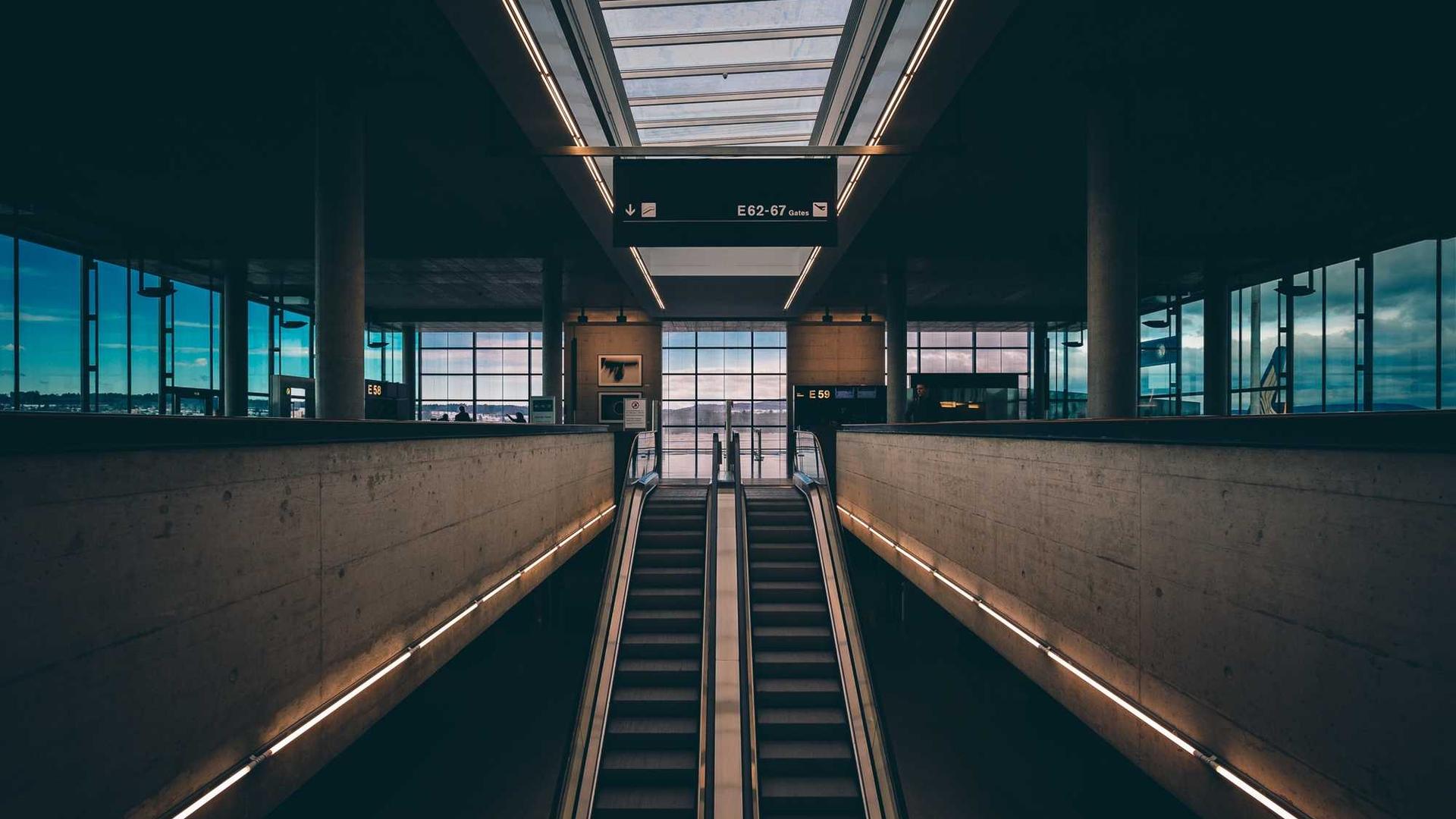
With the advancement of technology enabling work to be done remotely, a new breed of professionals has emerged – digital nomads. These individuals are redefining the traditional concept of work-life balance as they embrace a lifestyle that allows them to work and travel simultaneously.
Gone are the days of commuting to the office and being tied to a cubicle from 9 to 5. Digital nomads have the freedom to set their own schedules and choose their work environment. Whether it’s a beachside café in Bali or a cozy coworking space in Tokyo, they can work from anywhere with a stable internet connection.
The allure of the digital nomad lifestyle lies in the flexibility it offers. These professionals can structure their work hours around personal activities, allowing them to prioritize experiences over a rigid work routine. They can take breaks to explore new cities, immerse themselves in different cultures, and learn new languages while still fulfilling their work responsibilities.
In addition to the flexibility, digital nomads also enjoy financial benefits. Living costs can vary greatly from one location to another, and digital nomads take advantage of this. They can choose to reside in countries with a lower cost of living, stretching their income further and living a comfortable life without sacrificing their professional pursuits.
Many professions lend themselves well to the digital nomad lifestyle. Freelancers in fields such as graphic design, copywriting, and web development have long embraced the flexibility of remote work. However, the rise of digital nomads has also seen professionals in traditionally office-bound roles, such as marketing managers, consultants, and even lawyers, successfully transition into remote work.
The COVID-19 pandemic has further accelerated the growth of the digital nomad community. With lockdowns and travel restrictions forcing many companies to implement remote work policies, individuals who had never considered remote work before were suddenly thrust into this lifestyle. As a result, more people became aware of the possibilities and benefits that come with being a digital nomad.
However, it’s not all sunshine and rainbows for digital nomads. The lifestyle also presents unique challenges. Adapting to different time zones, reliable internet access, and maintaining a healthy work-life balance can be demanding. Additionally, being constantly on the move can make it challenging to establish long-lasting personal relationships and a sense of community.
Nonetheless, the trend of digital nomadism continues to grow, with cities catering specifically to this community. Coworking spaces have become more prevalent, offering reliable internet, networking opportunities, and a sense of belonging. Destinations such as Bali, Chiang Mai, and Lisbon have gained popularity among digital nomads, with local governments recognizing the economic benefits these professionals bring to the area.
As technology advances and the world becomes more interconnected, it’s likely that the number of digital nomads will continue to rise. This lifestyle offers a unique blend of work and adventure, challenging traditional notions of work-life balance and paving the way for a new era of professional flexibility.